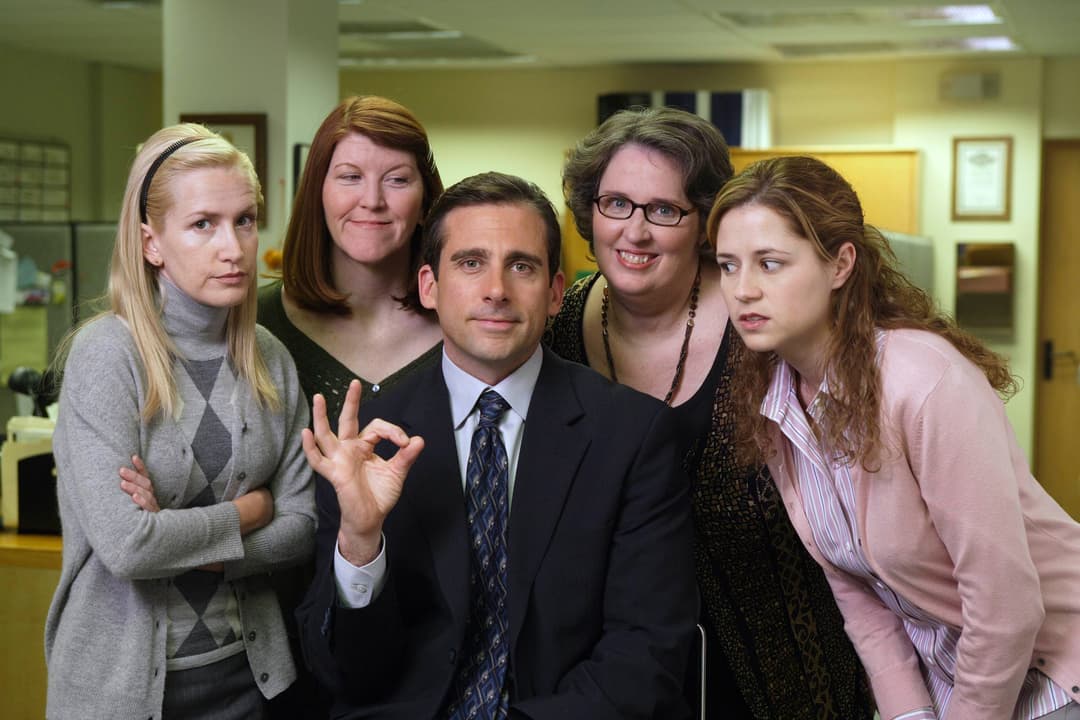
Broadcast on NBC from 2005 to 2013 (201 episodes), the US version of The Office series is presented in the form of a parody documentary (or Mockumentary) the daily lives of the employees of Dunder Mifflin, a fictional company specializing in the sale of paper, in the local branch of Scranton, Pennsylvania.
This is the subject of study chosen by two researchers, Sophie Rauch (Neoma Business School) and Catherine Lesperance (ESCP Business School), and presented in the journal” Season. The series review. Series management ” (Éditions Classique Garnier), in order to observe how the motivational mechanisms presented in the series, both at the headquarters and at the local branch, correspond to classical motivation patterns, and are effective. Immerse yourself in the life of the Dunder Mifflin office and its incredible employees.
Motivation, a different concept for headquarters and teams
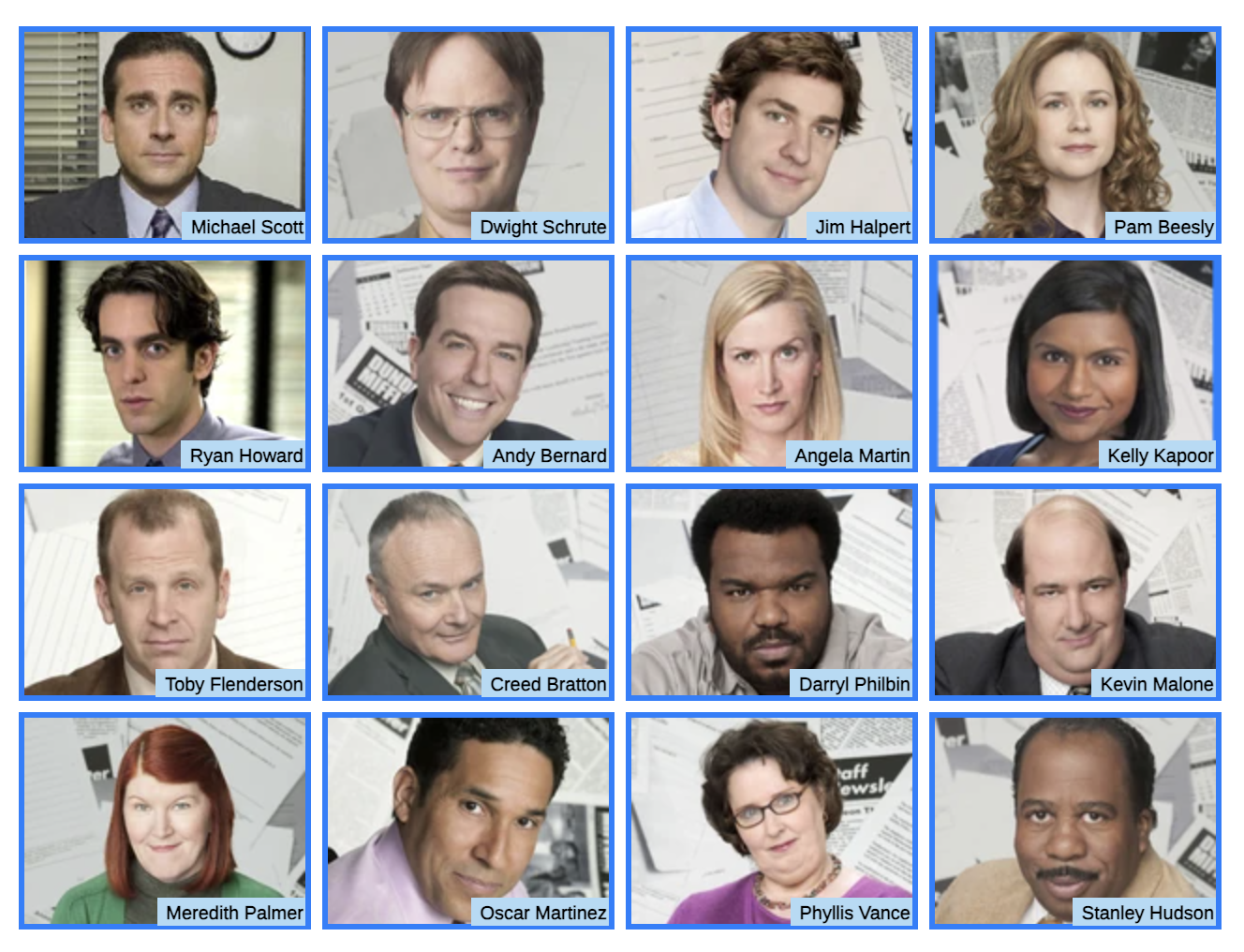
At Dunder Mifflin, we find the classic hierarchy of a company: the managers (the “head office”), the local manager Michael, and his team (the sales, accounting, warehouse, customer relations departments, not to mention Pam at the reception).
When it comes to motivation, not everyone has the same concept in mind. While headquarters favors a classic approach to work motivation, the teams at Dunder Mifflin in Scranton have a much more confusing and fluctuating practice.
On the head office side, the incursions and regular visits to Scranton by its representatives, such as the Vice-Presidents (VP) Jan and Ryan (successive direct supervisors of the manager, or the CFO by telephone), are all opportunities to use various motivational levers on teams, juggling between imposed authority and incentives for performance.
From coercion to incitement to motivate employees
Lever 1: coercion
Coercion is the official power to force someone to do something, or to do it in a certain way, or not to do it at all. In The Office, the economic context tends to justify the coercive power exerted by headquarters during their visits to the Scranton branch, between cost reduction (season 1), overtime (seasons 1 and 6), strategic changes (season 4), up to the threat of dismissal in the event of the creation of a union branch in season 2. Enough to make local teams impose these changes without discussion and keep them at work.
Lever 2: regulation
As early as the second episode of season 1, headquarters organized a seminar to remind people of diversity rules. Although the initiative is intended to be educational, its implementation quickly turns into a corrective or even procedural approach. And the headquarters took the opportunity to target all staff, while the seminar initially targeted Michael's behavior, which was considered inappropriate.
Throughout the series, we will thus see headquarters intervene to temper or even eradicate any behavior deemed not in accordance with corporate ethics, between seminars of” Business Ethics ” in season 5, sending Andy to a” Angry Management Training ” to help him manage his anger in season 3, blocking websites on collaborators' workstations and checking telephone communications in season 6.
Lever 3: the incentive
While headquarters know how to be authoritarian, they also sometimes adopt engagement strategies to try to boost the motivation of local teams. We thus see being born in The Office initiatives to share best practices, such as a” Reading circuit ” by Michael with the other branches of Dunder Mifflin in season 5, a” Team building ” in seasons 5 and 9, or a competition between the different branches in the form of a game in season 8.
To generate performance within its local branch, the head office also knows how to organize more targeted operations, by creating performance bonuses (season 6, through a promotion and distribution of bonuses) or by pampering the best sellers who bring back new contracts (season 6 as well).
The Office also shows the recognition of employees by management. Examples include the promotion of Jim at the beginning of season 6, the case of Darryl, who was promoted from warehouse to office in season 6, or various initiatives to promote competent women within the organization (Pam in season 2, Kelly in season 6).
While we can see these progressions as being both instrumental and emotional on the part of headquarters, they still allow it to make a welcome rebalancing in terms of professional equity.
Each employee has his own motivation, in life as in The Office
In The Office, some employees are particularly sensitive to promotion. This is especially the case with Dwight and Michael. So in the episode” Dwight's Speech ” (S2E17), Dwight receives the Salesman of the Year award and has to give a speech (hence the title of the episode). Michael takes this opportunity to recall that he also won this award twice. These two characters, through their behavior in the face of the recognition and reward mechanisms put in place, illustrate well the effectiveness of these traditional motivational levers on certain employees.
If we take the case of Jim and Pam, their motivation at work has its source in the informal relationships between the two colleagues, mainly based on humor. Office pranks carry profound meanings, and embody a form of “professional sociability”, contributing to inclusion and team cohesion. Thus, in the first episode of season 2, Jim and Pam immerse newcomer Andy's calculator in jelly, before hiding his phone in the false ceiling in season 3.
The Office or the anti-management manual
The series The Office illustrates well the nuances and complexities involved in aligning the motivations of each member of a team within a company. While Dwight and Michael's over-motivation can lead to counterproductive behaviors, Pam and Jim's perceived undermotivation hides essential contributions to the business (Jim remains an excellent salesman for example).
In addition, these various motivational levers are evolutionary and can be adapted to a personality as well as to specific configurations, in particular collective ones. The headquarters, in its unique vision of motivation and its obsession with performance, will eventually disappear. As for the Stranton branch, in its joint consideration of motivation, based on personalities and the personal aspect, via both classical and more original levers, will generate sustainable performance against all expectations.
In summary, what does it teach us The Office ?
The characters in the series all respond to various motivations, which may vary depending on the configurations. In the end, the series questions the effectiveness of traditional motivational levers, and highlights the importance of implementing HR policies close to employees, which take into account both individual and collective dynamics within the company.
sourcing :
Season. The series review. Series management (2024 - 2, no. 8), Claire Edey Gamassou (ed.), Classique Garnier, 180 pages, 12 euros
Series under the eye of management research: “The Office”, “Engrenages” ”..., Le Monde, François Desnoyers, May 01, 2025